
CELEBRITY
World tensions rising again 🌍⚠️ Power, politics, and bold statements—who’s really in control? When global leaders clash, the impact goes far beyond borders. Is this strategy… or just escalation?

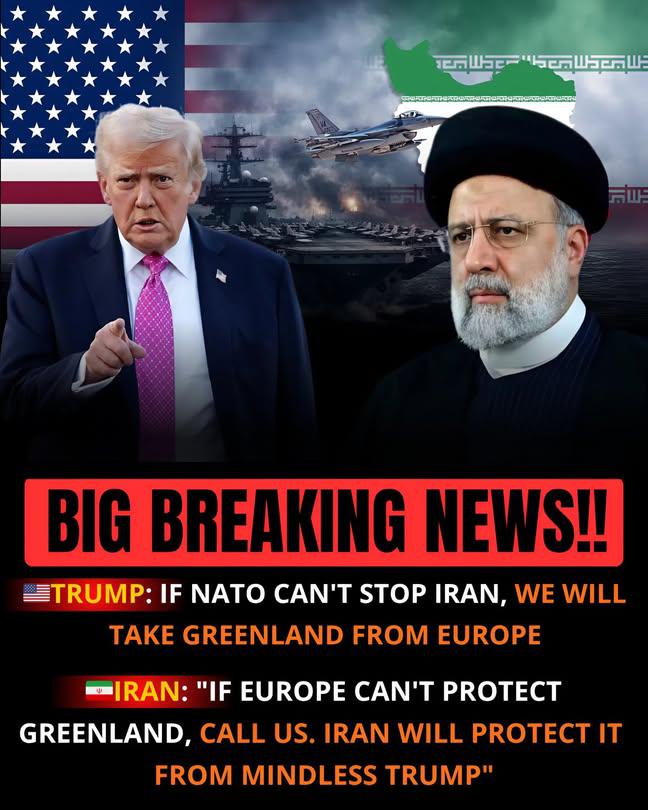
In recent months, the global stage has once again become a theater of rising tensions, marked by sharp rhetoric, military posturing, and high-stakes political decisions. From disputes in the Middle East to renewed rivalries between major powers, the question on many minds is simple yet profound: are these calculated strategies—or signs of dangerous escalation?
At the center of the conversation are influential figures like Donald Trump, whose bold and often controversial statements on foreign policy have sparked intense debate. Critics argue that such rhetoric risks inflaming already fragile situations, particularly in volatile regions like Middle East. Supporters, however, insist that strength and unpredictability are necessary tools in maintaining global dominance and deterring adversaries.
Meanwhile, other global leaders have taken a more cautious approach. Keir Starmer, for instance, has emphasized de-escalation and diplomacy, signaling a growing divide in how world powers respond to conflict. This contrast highlights a broader debate in international relations: should nations prioritize forceful deterrence or cooperative stability?
Beyond political speeches and diplomatic standoffs, the real impact is felt by ordinary people. Economic uncertainty, rising fuel prices, and fears of wider conflict ripple across borders, affecting nations far removed from the frontlines—including countries in Africa. In an interconnected world, no region is truly isolated from global instability.
Experts warn that history offers important lessons. Events like the Cold War demonstrate how prolonged rivalry, if not carefully managed, can bring the world to the brink of disaster. Today’s tensions, while different in context, carry echoes of that era—where miscommunication or miscalculation could have far-reaching consequences.
So, is this strategy or escalation? The answer may lie somewhere in between. Nations often engage in calculated moves to strengthen their positions, but when those actions are misinterpreted or pushed too far, strategy can quickly turn into escalation.
As global powers continue to assert influence and defend interests, the need for clear communication, diplomacy, and restraint becomes more critical than ever. The stakes are no longer confined to political elites—they affect the stability, security, and future of the entire world.
In a time where every move is magnified and every word carries weight, one truth remains: the line between control and chaos is thinner than it seems.

“NONE OF THIS WOULD BE HAPPENING IF I WAS IN OFFICE” There wouldn’t be war in Iran, there wouldy be war in our streets! All that was needed was for the American people to make the right choice-Me!” -Kamala Harris Former Vice President of the United States Says

World tensions rising again 🌍⚠️ Power, politics, and bold statements—who’s really in control? When global leaders clash, the impact goes far beyond borders. Is this strategy… or just escalation?

BREAKING: The Trump administration’s top counterterrorism official Joe Kent has announced his resignation over opposition to the Iran war. “Iran posed no imminent threat to our nation, and it is clear that we started this war due to pressure from Israel and its powerful American lobby,” Kent, who served as the director of the National Counterterrorism Center.

(🚨) BREAKING NEWS: Trump Broadcasts to Entire World Exactly When and Where U.S. Will Strike in Iran Next, Endangering U.S. Pilots; Unclear If Any Prior U.S. President Has Ever Intentionally Endangered American Lives in This Way Just to Be Macho and Feel Like a Big Man

After bulldozing the East Wing of the White House, the Trump administration is now considering a plan to remove the famous 200-year-old columns in front of the White House and replace them with something Trump likes more. All this while the nation is at war with Iran, gas prices are soaring, grocery prices are climbing, layoffs are rising, and millions of Americans don’t have health care coverage.

JUST IN: Trump threatens to delay his visit to China if Beijing refuses to join the Hormuz Strait escort. Frankly, China couldn’t care less whether he visits or not — TRUMP HAS NO CARDS!! It’s Trump who needs China, not the other way around. Likewise, he’s bullying NATO allies. The truth is the US needs NATO allies far more than its allies need the US now. TRUMP, YOU HAVE NO CARDS!!
BREAKING: Former U.S. President Barack Obama has sparked debate after warning that former President Donald Trump may be pushing the United States toward a dangerous military confrontation with Iran—a conflict that several past presidents deliberately avoided.

🚨 BREAKING: Israel just dropped a quiet bomb on Washington. Reports reveal Israel told the US their missile defense is running on empty amid the Iran war. When the Iron Dome runs out of ammo, what happens next? 👀

Just in: In a newest decision, the U.S. Supreme Court has ruled that Donald Trump does not enjoy absolute immunity in the Jeffrey Epstein case. This resolution clears the way for the President to be formally subpoenaed, marking a historic precedent in 2026

Can’t wait to meet you, little one. Taylor Swift says as she is expecting her first child.

EXCLUSIVE: We are having a baby, Global pop icon Taylor Swift confirms pregnancy rumours. Full story in the link below 👇🏾👇🏾👇🏾
