
CELEBRITY
🚨 BREAKING: Israel just dropped a quiet bomb on Washington. Reports reveal Israel told the US their missile defense is running on empty amid the Iran war. When the Iron Dome runs out of ammo, what happens next? 👀

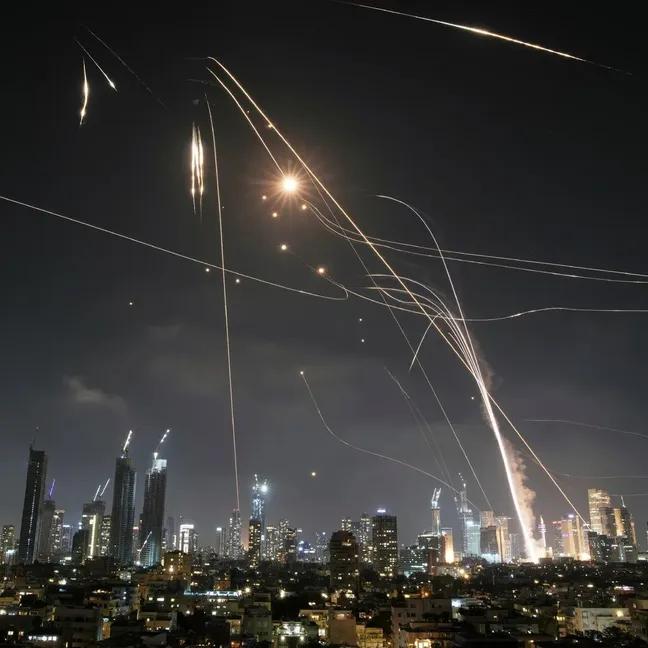
A new report has sparked concern in Washington after officials revealed that Israel privately warned the United States it may be running dangerously low on missile-defense interceptors as its war with Iran intensifies. The development raises serious questions about how long Israel can sustain its air-defense shield if the conflict continues.
Israel warns U.S. about dwindling interceptors
According to U.S. officials cited in reports, Israel informed Washington that its stockpile of ballistic-missile interceptors has been heavily depleted after weeks of defending against Iranian missile and drone attacks.
The country’s multi-layered air defense system—including the Iron Dome and long-range interceptor systems—has been under constant pressure as Iran launches repeated barrages across the region.
Officials say Israel entered the war with limited interceptor supplies already, partly due to earlier clashes with Iran in 2025. Sustained missile attacks since the latest escalation have forced Israeli defenses to use large numbers of interceptors, rapidly draining stockpiles.
Israel’s Iron Dome and other missile defense layers are designed to detect incoming rockets and fire interceptor missiles that destroy them mid-air before they hit cities or military bases.
But every interception costs another missile, meaning prolonged wars can strain the system if incoming attacks continue for weeks or months.
Israeli officials have pushed back against the reports, saying the country still has sufficient defenses and is prepared for a prolonged conflict.
The Israeli military said it remains ready “for any scenario” despite speculation that interceptor reserves are dangerously low.
If Israel’s interceptor supply were to run critically low, several consequences could follow:
More missiles could reach Israeli cities, increasing civilian risk.
The U.S. might need to rush additional interceptor shipments or expand military support.
The conflict could escalate further across the Middle East as regional allies and adversaries react.
The war began after a joint U.S.–Israeli strike on Iran in February 2026, which triggered missile and drone retaliation across the region.
BREAKING: Former U.S. President Barack Obama has sparked debate after warning that former President Donald Trump may be pushing the United States toward a dangerous military confrontation with Iran—a conflict that several past presidents deliberately avoided.

🚨 BREAKING: Israel just dropped a quiet bomb on Washington. Reports reveal Israel told the US their missile defense is running on empty amid the Iran war. When the Iron Dome runs out of ammo, what happens next? 👀

Just in: In a newest decision, the U.S. Supreme Court has ruled that Donald Trump does not enjoy absolute immunity in the Jeffrey Epstein case. This resolution clears the way for the President to be formally subpoenaed, marking a historic precedent in 2026

Can’t wait to meet you, little one. Taylor Swift says as she is expecting her first child.

EXCLUSIVE: We are having a baby, Global pop icon Taylor Swift confirms pregnancy rumours. Full story in the link below 👇🏾👇🏾👇🏾

Breaking: A “double impeachment” is being prepared that could change the course of the U.S. In 2026. Do you support starting impeachment proceedings against Trump and Vance? Full story in the link below 👇🏾👇🏾

BREAKING: 🇺🇸 Former U.S. Vice President, Kamala Harris: “We are witnessing the massive abandonment of American ideals. Launching missiles without a plan for what comes next is putting a target on the back of every American in the region. We will not allow ourselves to be divided while they drag the country into a constitutional crisis and an endless global conflict. Those in power today count on fear being contagious… but courage is contagious too.”

🚨 BREAKING: Senate Democrats just blocked a bill to reopen the Department of Homeland Security as the U.S. faces rising terror threats, 51–46. Sen. John Fetterman was one of the only Democrats to vote YES with Republicans. Meanwhile TSA workers are going without pay, hundreds are calling out or quitting, and airport lines are turning chaotic. At some point Republicans need to stop letting shutdown politics drag on.

JUST IN: JD Vance alleges $19 billion in fraud was discovered in Minneapolis, and the Trump administration may target California for its next major federal investigation.

BREAKING: 🇨🇳 Chinese Ministry of Defense Spokesperson, Wu Qian: “The United States is a war addict. Throughout its more than 240-year history, it has been at war for all but 16 years. The U.S. has 800 overseas military bases across more than 80 countries and regions. The United States is the main cause of international disorder, global turbulence, and regional instability.”

BREAKING: 🇮🇷 Supreme Leader of Iran, Mojtaba Khamenei: “The enemy believes that by assassinating our leaders it will stop us. They are mistaken. If the attacks continue, no asset of the U.S. or its allies in the region will be safe. Since we cannot reach American soil directly, we will strike their bases, their facilities, and all those who have allowed their territory to be used to attack us. This will be a prolonged war; we have the capacity to fight for years. There will be no surrender.”
